Reverse engineering and replacement parts
Reverse Engineering for Replacement Parts
Send the old part or photos with measurements. We measure, model and make the replacement, and you keep the drawing for next time. Reply within 24 business hours.
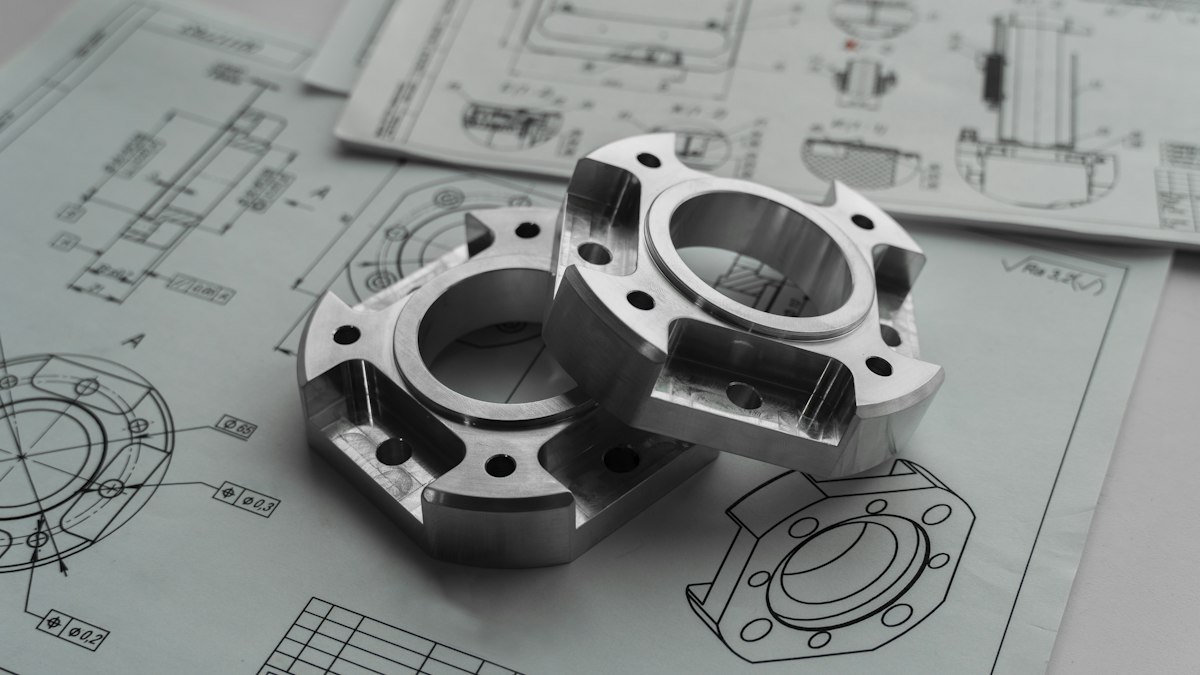
Is reverse engineering the right route?
Buying from the OEM is easier when it works. Tick what applies to your part.
Parts we reverse engineer most
- Gears and pinions
- Bushings and sleeves
- Shafts and spindles
- Rollers and pulleys
- Brackets and housings
- Cams and levers
- Couplings and flanges
- Wear plates and guides
Worn parts are measured where they are not worn and checked against the mating parts. Where wear hides the original size, we tell you which values we chose and why.
Exact copy or improved replacement?
Both start with the same measurement. The difference is what you want from the new part.
Exact copy
Same geometry, same material and same treatment as the original, as far as it can be identified.
- Drop-in fit, no change to the machine
- Fastest route for urgent parts
- Material identified by test when needed
Improved replacement
Same fit, but a better material, hardness or coating where the old part failed.
- Longer life between replacements
- Fixes the reason the part wore out
- Needs your approval on the changes
What we measure and how
Typical methods and what they achieve. These are typical values, not promises. The quote states the method for your part.
| Method | Used for | Typical accuracy |
|---|---|---|
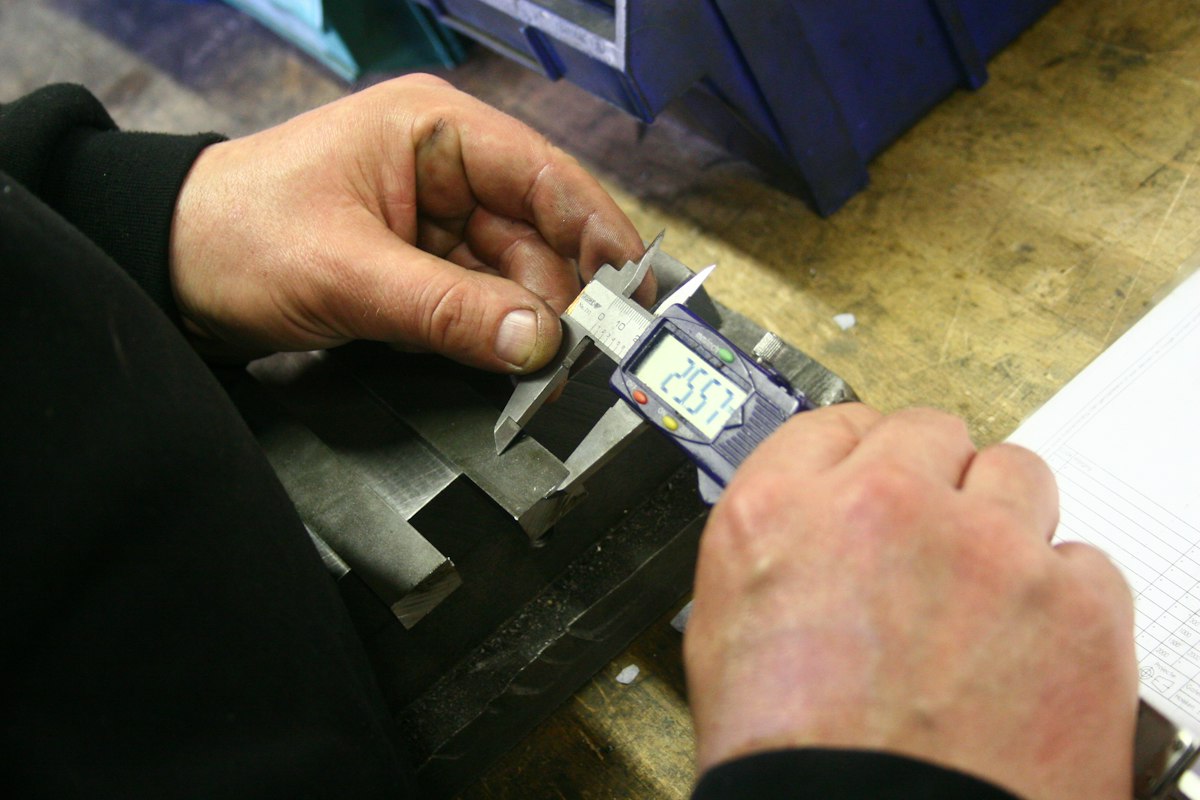
| Calipers and micrometers | Diameters, lengths, simple features | ±0.01 mm |
| CMM measurement | Bores, positions, flatness on precise parts | ±0.005 mm |
| 3D scanning | Freeform shapes, castings, worn surfaces | ±0.03 to ±0.05 mm |
| Gear measurement | Module, tooth count, pressure angle, helix | Per gear class |
| Material analysis | Alloy grade by spectrometer, hardness test | Grade and HRC |
Where replacement parts are needed
Old machines run for decades. The parts that wear out are the same in every plant.
Manufacturing plants
Spares for presses, packaging lines and machine tools.
Food and beverage
Stainless parts for fillers, conveyors and mixers.
Mining and aggregates
Wear parts, bushings and shafts for crushers and conveyors.
Pulp, paper and printing
Rollers, gears and shafts for older presses.
Agriculture
Gears and shafts for equipment no longer supported.
Marine and energy
Pump parts, couplings and valve components.
How it works
You send the problem. We take it from drawing to delivery and keep you informed at each step.
Send your files
The worn part, photos with key measurements or a broken sample. Tell us where it fits and what failed.
We review and quote
We confirm what can be measured, the material and the lead time, then quote the drawing and the part.
We produce and inspect
We draw it, you approve the drawing, then the part is made and measured against it.
We deliver
Part, inspection report and the drawing in PDF and STEP. Your original sample goes back to you.
What drives the price of a replacement part
Five things decide most quotes.
- Measuring effortA simple shaft takes an hour. A worn gear or a freeform casting takes much longer.
- MaterialAlloy steel, bronze or stainless cost more and some need heat treatment.
- ToleranceBearing seats and gear teeth need precise work and inspection.
- QuantityMeasuring and drawing is paid once. Spare batches bring the price per part down.
- UrgencyA machine standing still justifies a rush order. Planned spares are cheaper.
Have a worn part on the bench?
Send photos and a short description now. We will ask for anything missing. Prefer to give full details up front? Use the full quote form.
Your files are seen only by our team and the partners working on your project. Ask for an NDA and we sign it first.
Measure, scan or machine replacement parts?
We work with production shops, component suppliers and engineers in this field. Register once and we send you project scopes that fit what you do. We handle the customer side.
Questions customers ask
Something else? Email .
Do I have to ship the original part?
For precise parts, yes, because measuring the real part is the only way to be sure. For simple parts, clear photos with a ruler and a few key measurements can be enough to quote and sometimes to make.
Do I get the drawing?
Yes. You receive the 2D drawing in PDF and the 3D model in STEP with the part. You can use them for future orders with anyone.
What if the part is badly worn?
We measure the unworn areas and the mating parts and use standard fits where wear hides the original size. We list those decisions on the drawing for your approval.
Is it legal to copy an OEM part?
Making replacement parts for your own equipment is common practice. Some parts are protected by patents or design rights, so you confirm that you have the right to order the part. If we see a reason to doubt it, we ask.
Do you make the parts yourselves?
Production runs at partner shops we have audited for this kind of work. We stay responsible for the order: we review the drawing, pick the shop, follow production, inspect before shipping and deliver to you. You deal with one contact and one purchase order.
Where is the work done?
Where it fits the job best. Urgent work can run close to you and larger batches where the price is better. We tell you the place of production with the quote, before you order.